A construction site toilet rental differs from an event rental in service cadence, not just placement. Job-site units get one scheduled cleaning per week under a standard agreement, while a two-day festival unit is…
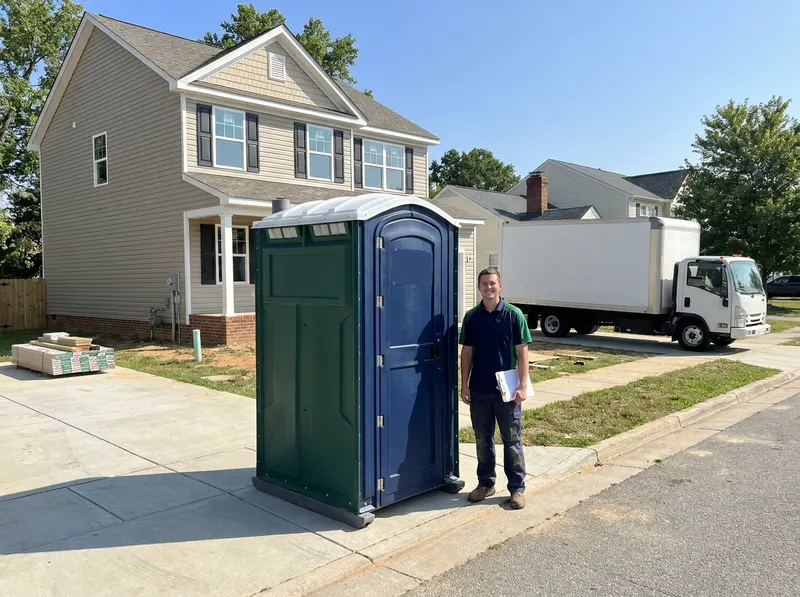
A construction site toilet rental differs from an event rental in service cadence, not just placement. Job-site units get one scheduled cleaning per week under a standard agreement, while a two-day festival unit is delivered fresh and pulled without a mid-run service. The OSHA field-sanitation standard (29 CFR 1926.51) is the number crews plan around: one toilet for up to 20 workers, then a second unit and hand-wash facility as headcount climbs, and a two-unit minimum once a crew passes 20. James River Portable Toilet Rental sizes an order to the crew count rather than the calendar so an inspector never finds the ratio short.
Richmond's terrain shapes where a unit lands. On Manchester and Scott's Addition infill lots, the tightest constraint is frontage, so a single standard unit is set near the site entrance where the pump truck can reach it without blocking the sidewalk. On Church Hill and The Fan, narrow one-way streets and permit parking mean the delivery window matters more than the unit itself; a placement that clears the row-house curb line keeps the truck legal on its weekly visit. Larger Henrico and Chesterfield pad sites hold multiple units plus a hand-wash station near the trailer, which is the layout most general contractors specify for framing and concrete phases.
Decision-fit is a crew-size and duration question. If a two-person remodel crew works a Museum District or Oregon Hill house for three weeks, a single standard unit on weekly service is the fit. If a framing crew of 15 runs a Northside or Jackson Ward multi-unit build for months, plan on two units and a hand-wash station from the first day, because adding capacity after a failed inspection costs more schedule than money. When water and space allow, a flushable unit reads cleaner for a client-facing site near Carytown or the Museum District; a standard unit is the workhorse everywhere else.
How the rental runs is a short sequence. First, the site address, crew count, and start date set the unit count and price. Second, delivery is scheduled within 1-2 business days and the unit is placed where the pump truck can reach it. Third, one weekly service visit pumps the tank, restocks paper and deodorizer, and wipes the interior. Fourth, at job's end the unit is pulled and the site cleared. A permit is rarely needed on private lots but can apply when a unit sits on a Shockoe Bottom or downtown public right-of-way; the City of Richmond handles those approvals, and the site's own permit usually covers placement.
Every job gets a firm, written price after a free on-site visit.
Tell us about your construction site toilet rental job in Richmond and we'll send a clear, written quote, usually the same day.
 James River Portable Toilet Rental